
When Waiting Is Not the Answer: Understanding the Value of a Diagnosis
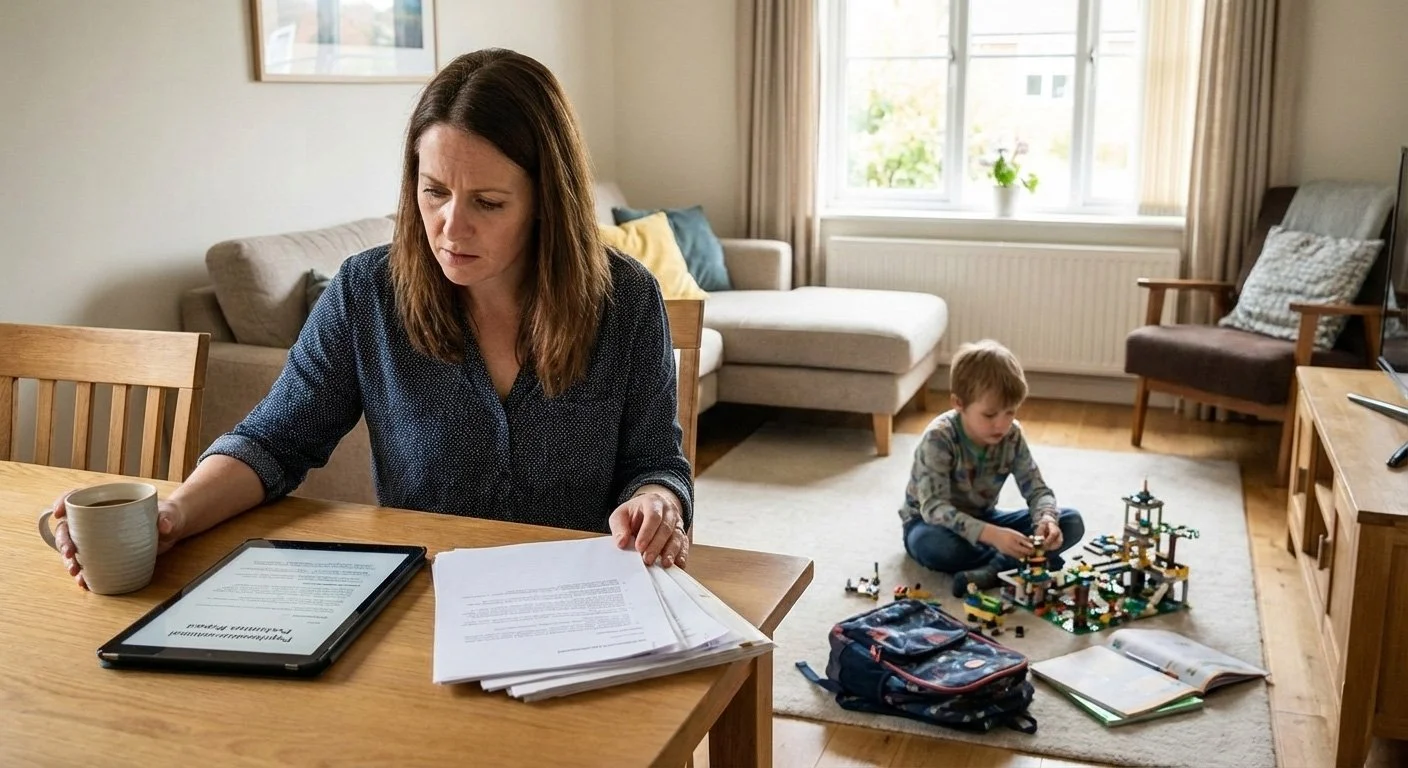
As mothers, many parents find themselves unconsciously comparing their children’s developmental milestones to those of other kids around them. They were born in the same month, the same year… so why is one child already walking while the other is not? Reassurance often follows: it’s fine — this child can put on shoes faster. For a while, things feel balanced. But then another concern appears. Children play together, their abilities seem similar, and yet one child is not speaking clearly. By age three, teachers may begin to mention frustration, behavior challenges, and difficulty expressing thoughts.
This is often how the journey begins. Parents compare and quietly dismiss their concerns, convincing themselves they are simply being overly anxious. Then the school gently points out that something may not be developing at the expected pace. A pediatrician is consulted, followed by a speech-language pathologist and sometimes an occupational therapist. Progress happens. Skills improve. The child begins to catch up, and families feel a sense of relief.
Time passes, and the long-awaited kindergarten year begins. Children spend joyful days together, playing in class and after school. Everything seems fine—until homework starts. At first, tasks are simple, like writing their own name a few times. Yet some children struggle with what should be an easy task. It feels odd, but families often let it go. Soon after, a meeting with the teacher is scheduled. That familiar knot in the stomach appears. The conversation usually begins with kind words: your child is sweet, friendly, a joy to have in class. Then comes the concern. The teacher has noticed difficulty recognizing sounds in words, including the child’s own name, and trouble reading simple words.
As homework increases, daily struggles intensify. Parents begin to question everything. Is there a cognitive delay? A low IQ? Something fundamentally wrong? And yet, the child shows clear strengths—complex Lego constructions, remarkable memory for song lyrics, sharp observations others miss. Confusion grows. Teachers may reassure families that time will fix it, that the child is simply immature and will catch up. Still, something does not feel right.
First grade arrives, and after summer break the difficulties become more pronounced. Tutoring begins. Speech therapy resumes. Teacher meetings become frequent. By the end of the year, some families decide to have their child repeat the grade, hoping time will help. Yet the uneasy feeling remains.
Eventually, a learning specialist enters the picture. For the first time, someone truly understands the concerns. Academic patterns begin to make sense. With hesitation and vulnerability, parents ask the question they have been afraid to voice: Is my child incapable of learning? The answer is no. Instead, the specialist introduces a word many families have never heard before—dyslexia. Suddenly, everything fits. A comprehensive psychoeducational evaluation is recommended, not as a label, but as an investment.
After several evaluation sessions and a final meeting with the psychologist, clarity replaces fear. The child is bright, often with above-average intelligence. The difficulty lies not in intelligence, but in how the brain processes written language. The diagnosis explains the struggle—and, more importantly, it opens a path forward. With appropriate reading intervention, the child can learn to read.
Seeking a diagnosis is not about labeling a child or lowering expectations. It is about understanding how a child learns and why certain tasks feel disproportionately hard. Without this clarity, families often rely on guesswork, well-intentioned advice, and endless waiting. With a diagnosis, the focus shifts from doubt to direction. It provides a framework for appropriate support, informed interventions, and realistic expectations—at home and at school. Most importantly, it allows children to be seen for who they truly are: capable learners who need the right pathway, not more time or pressure.
About the Author
Bruna Iasi founded Key to Literacy in 2019 to provide the personalized, evidence-based support she once sought for her own family. Originally from São Paulo, Brazil, where she served as a clinical nutritionist and university professor, Bruna’s professional path was redefined by her personal journey navigating learning differences as a parent in the U.S. A passionate "library hunter" with advanced certifications in Structured Literacy, ADHD Education, and Educational Leadership from Harvard, she now offers bilingual reading intervention and parent guidance in both English and Portuguese. Bruna’s work blends rigorous expertise with heart-centered care, ensuring every child receives the specialized pathway they deserve to reach their full potential.
